

Quick Answer
Pond scum is a layer of algae, cyanobacteria, or other microscopic organisms that forms on the surface of still or slow-moving water. It commonly develops when sunlight, warm temperatures, and excess nutrients encourage rapid growth. Some pond scum is harmless, while certain cyanobacteria can produce toxins. Identification may require testing because different types can look similar.
A clean pond adds beauty and peace to any backyard or garden. But when you notice a thick layer of green or brown muck floating on the surface, it's often a sign of pond scum. If left untreated, pond scum can harm fish, plants, and the overall health of your pond. This guide will help you understand what pond scum is, why it forms, and how to get rid of it using safe, effective methods.
What is Pond Scum?![]()

Pond scum is a common term used to describe unwanted algae or bacteria that form on the surface of pond water. It often looks like green, brown, or even black slime. Sometimes, it appears as stringy masses or floating mats. While some algae are normal and even beneficial, too much of it can turn into a nuisance.
Pond scum usually includes:
- Blue-green algae (cyanobacteria): Often toxic to fish and animals.
- Filamentous algae: Also called string algae; it floats in thick, tangled strands.
-
Duckweed or watermeal: Small floating plants that may be mistaken for scum.
| Method | Pros ✅ | Cons ❌ |
| Manual Removal (Netting) | Immediate results, low cost, simple to do |
Temporary fix, labor-intensive, scum returns quickly
|
| Aeration Systems | Improves oxygen, prevents future growth, eco-friendly |
Higher upfront cost, requires installation
|
| Beneficial Bacteria | Natural solution, breaks down nutrients, long-term control |
Takes time to show results, needs regular use
|
| Algaecides (Chemical) | Fast-acting, effective for severe cases |
Can harm fish/plants if misused, not eco-friendly
|
| UV Clarifiers | Clears water quickly, reduces algae spores |
Works mainly on suspended algae, requires power
|
How to Get Rid of Pond Scum Naturally

Getting rid of pond scum does not always mean using harsh chemicals. In fact, there are several natural and eco-friendly ways to remove scum and keep your pond healthy.
1. Remove It Manually
Use a pond skimmer or rake to scoop out floating algae. This is especially useful for string algae and duckweed. Manual removal helps reduce nutrient buildup and prevents the scum from decaying in the water.
2. Add Beneficial Bacteria
Beneficial bacteria treatments help break down excess nutrients. These natural additives digest organic waste and reduce algae food sources. Choose bacteria blends designed for ponds to ensure safe use for fish and plants.
3. Introduce Floating Plants
Plants like water lilies, water hyacinth, and duckweed provide shade and absorb nutrients. By reducing light and competing with algae for food, they help control pond scum naturally.
4. Improve Aeration
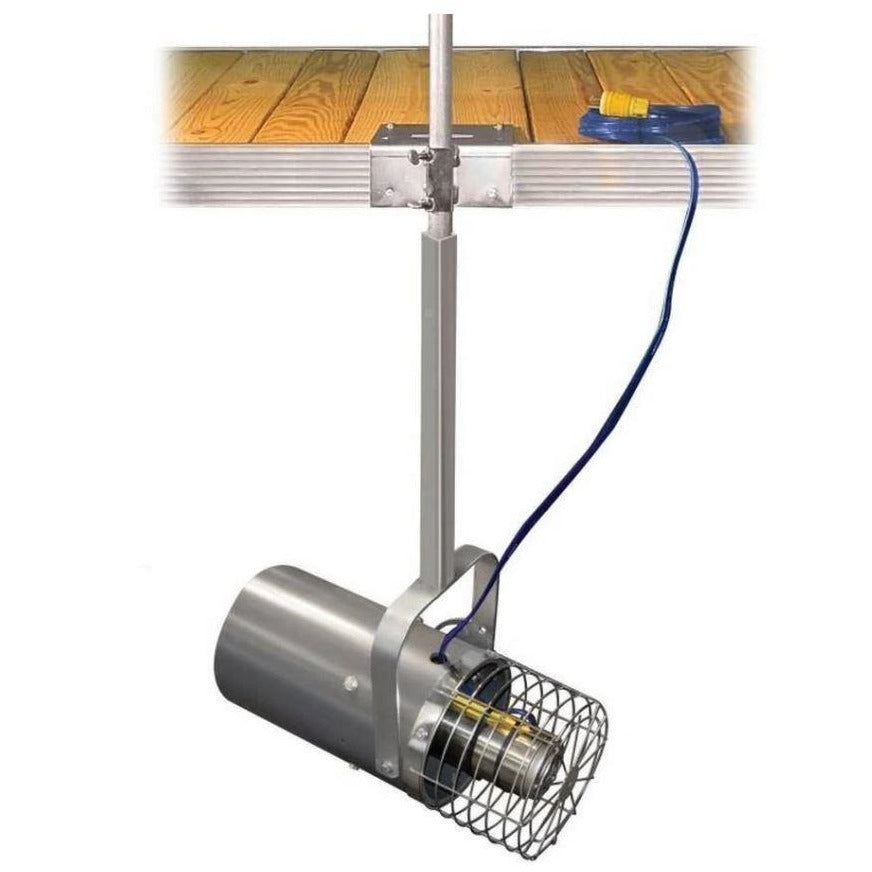
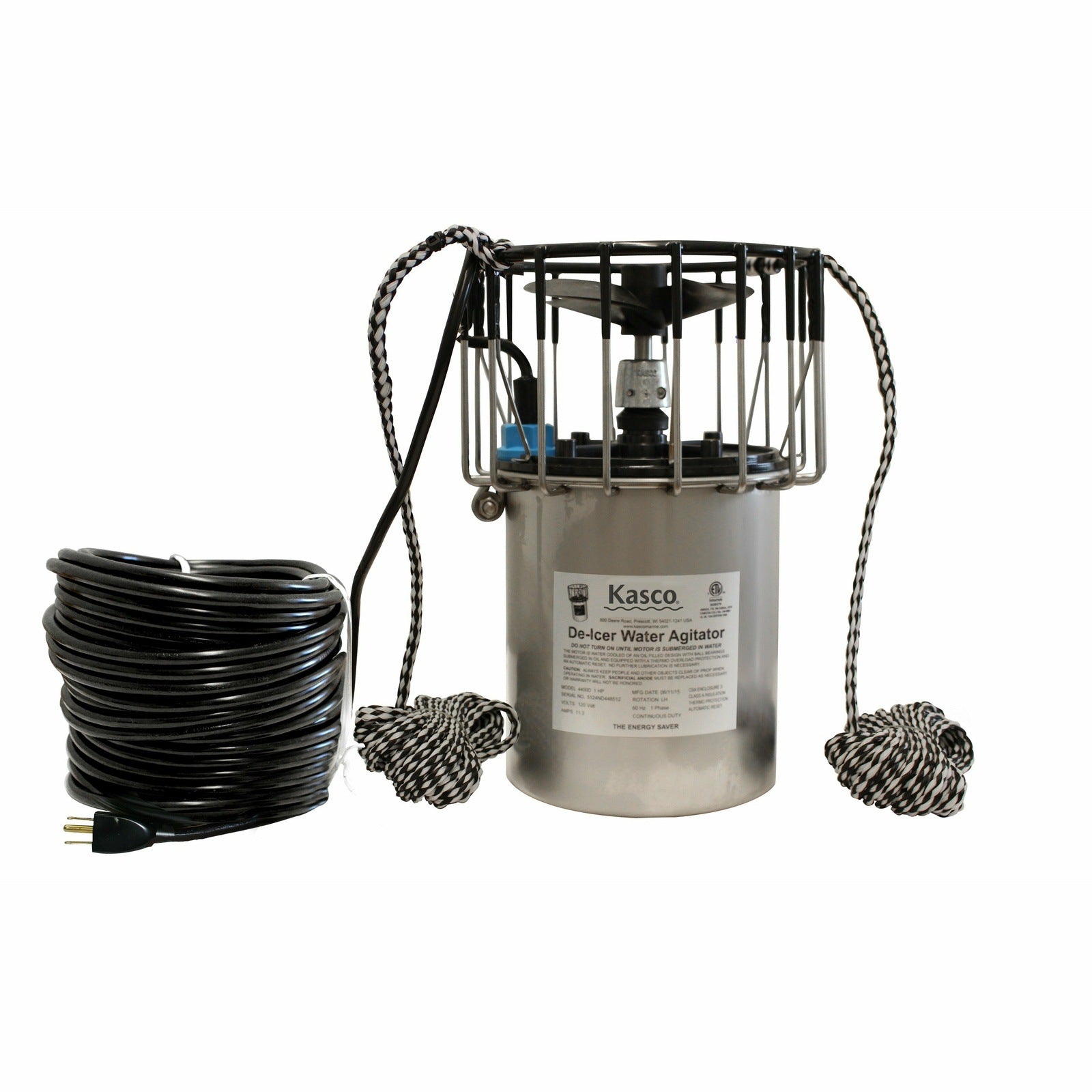
Add a pond aerator or fountain to keep the water moving. Aeration adds oxygen and prevents algae from settling and multiplying on the surface.
5. Use Barley Straw
Barley straw is a time-tested natural remedy. When placed in a mesh bag and left to float, it slowly decomposes and releases compounds that discourage algae growth.
6. Avoid Overfeeding Fish
Feed your fish only what they can consume in a few minutes. Uneaten food decays and adds nutrients to the water, making it easier for scum to return.
7. Control Runoff
Prevent fertilizers, grass clippings, or animal waste from washing into your pond. You can install a buffer zone of rocks or native plants around the pond to filter runoff.
Why Is It Important to Remove Pond Scum?

A small amount of algae is completely natural, and even beneficial but excessive pond scum can quickly turn into a serious issue.
Here’s why it shouldn’t be ignored:
-
Low Oxygen Levels
Thick layers of algae block sunlight and consume oxygen, putting stress on fish and other aquatic life. During certain stages, algae can actually reduce oxygen when it’s needed most. -
Unpleasant Odors
As algae accumulates and begins to decay, it releases strong, foul smells. Stagnant water makes the problem even worse. -
Poor Visual Appeal
A pond covered in green scum loses its beauty and becomes far less enjoyable to look at. -
Harmful Toxins
Some types of algae release toxins that can be dangerous for fish, pets, wildlife, and even humans in high concentrations.
Preventing Pond Scum for the Long Term

Once you’ve cleared out pond scum, the next step is making sure it doesn’t return. Consistent care and a balanced pond environment are key to long-term control.
Here are a few simple ways to keep your pond clean and healthy:
-
Keep Nutrients in Check
Test your pond water regularly to make sure nutrient levels stay under control. Excess nutrients are one of the main reasons algae comes back. -
Limit Sunlight Exposure
Algae grows faster in direct sunlight. Adding floating plants or partial shading can help reduce light and slow down regrowth. -
Stay on Top of Maintenance
Routine care makes a big difference. Skim debris from the surface, trim back aquatic plants, and remove sludge buildup from the bottom to prevent future issues.
Ready to Bring Your Pond Back to Life?
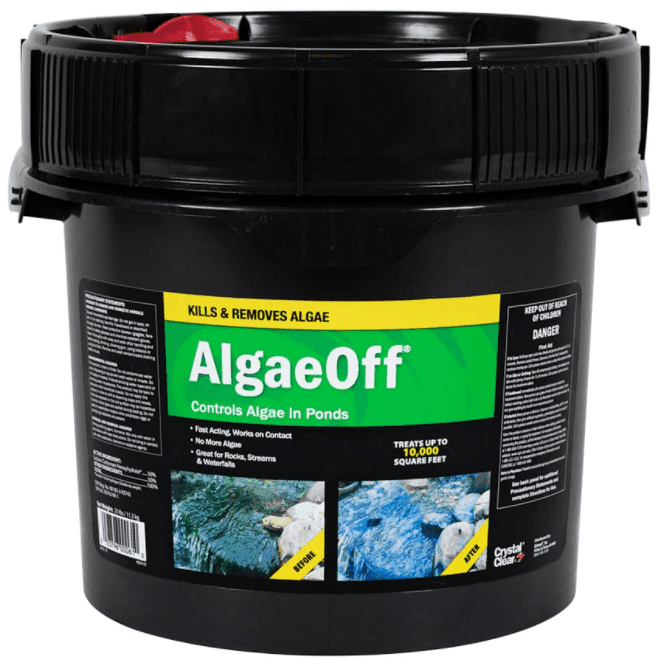
If pond scum has taken over your water, don’t worry you’re not alone. The right tools and treatments can make a huge difference. At Protopond, we offer everything from powerful aerators to natural bacteria solutions designed to restore clarity and balance.
Explore our Pond Care Collection and take the first step toward a cleaner, healthier pond today.
Not sure what your pond needs? Our team is here to guide you. Visit the Protopond Contact Page for expert advice and personalized recommendations.