

Fish are cold-blooded, which means their body temperature and metabolism depend on the surrounding water. As water temperatures fall in winter, their metabolic rate drops. According to studies, some freshwater fish reduce their metabolic rate by nearly 50 percent when water temperature decreases from 15 °C to 5 °C. During this time, their activity declines and feeding slows.
Torpor: How Fish Survive the Winter

Many fish enter a state called torpor in cold water. This is not true sleep, but a period of inactivity where the body slows down to conserve energy.
In torpor:
- Heart rate and oxygen consumption decrease significantly.
- Movement is minimal or absent.
- Feeding often stops entirely or becomes very limited.
Fish may hover near the bottom of ponds or lakes, where water is more stable and slightly warmer. Some species even bury themselves in mud or debris to retain warmth.
Other Survival Strategies
Not all fish rely on torpor alone. Some use additional strategies:
Migration
Many fish migrate to warmer waters or deeper areas where temperature is more stable. Migration is often linked to feeding habits or spawning cycles.
Biological Adaptations
Certain species survive cold months through special adaptations. Arctic Char, Bluefin Tuna, and some other cold-water fish produce antifreeze proteins or maintain higher blood temperatures to prevent freezing. These adaptations allow them to remain active even when other fish are dormant.
Tips for Pond Owners

If you keep fish in a pond or aquarium, winter requires careful attention:
- Feed fish minimally, as digestion slows during cold months.
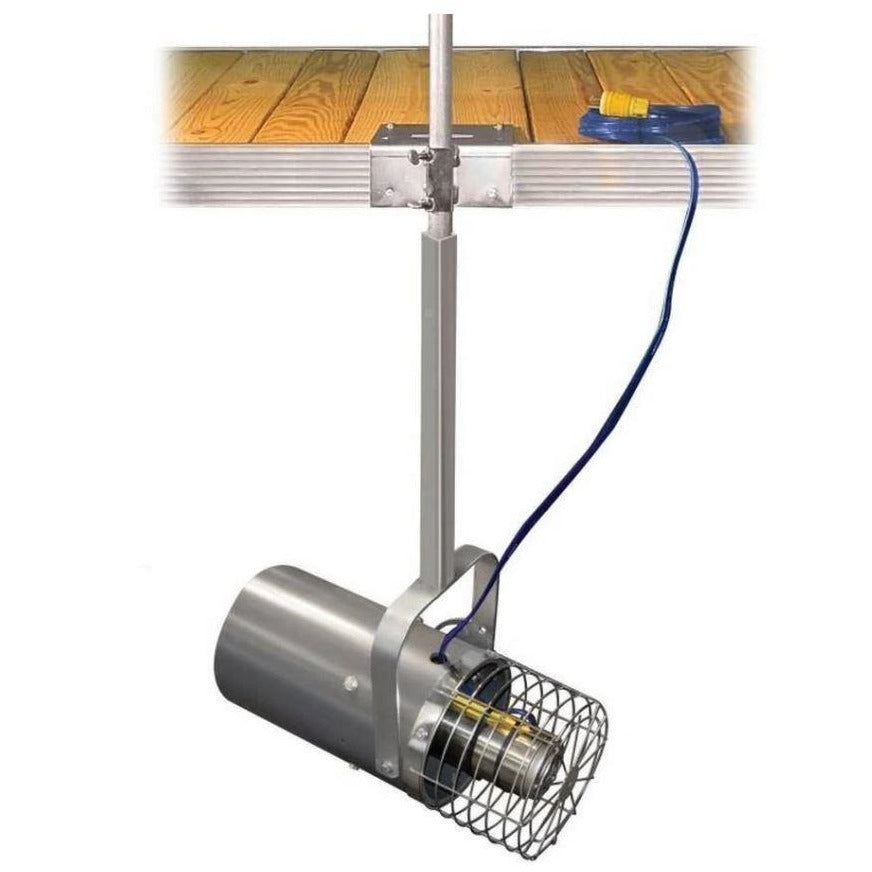
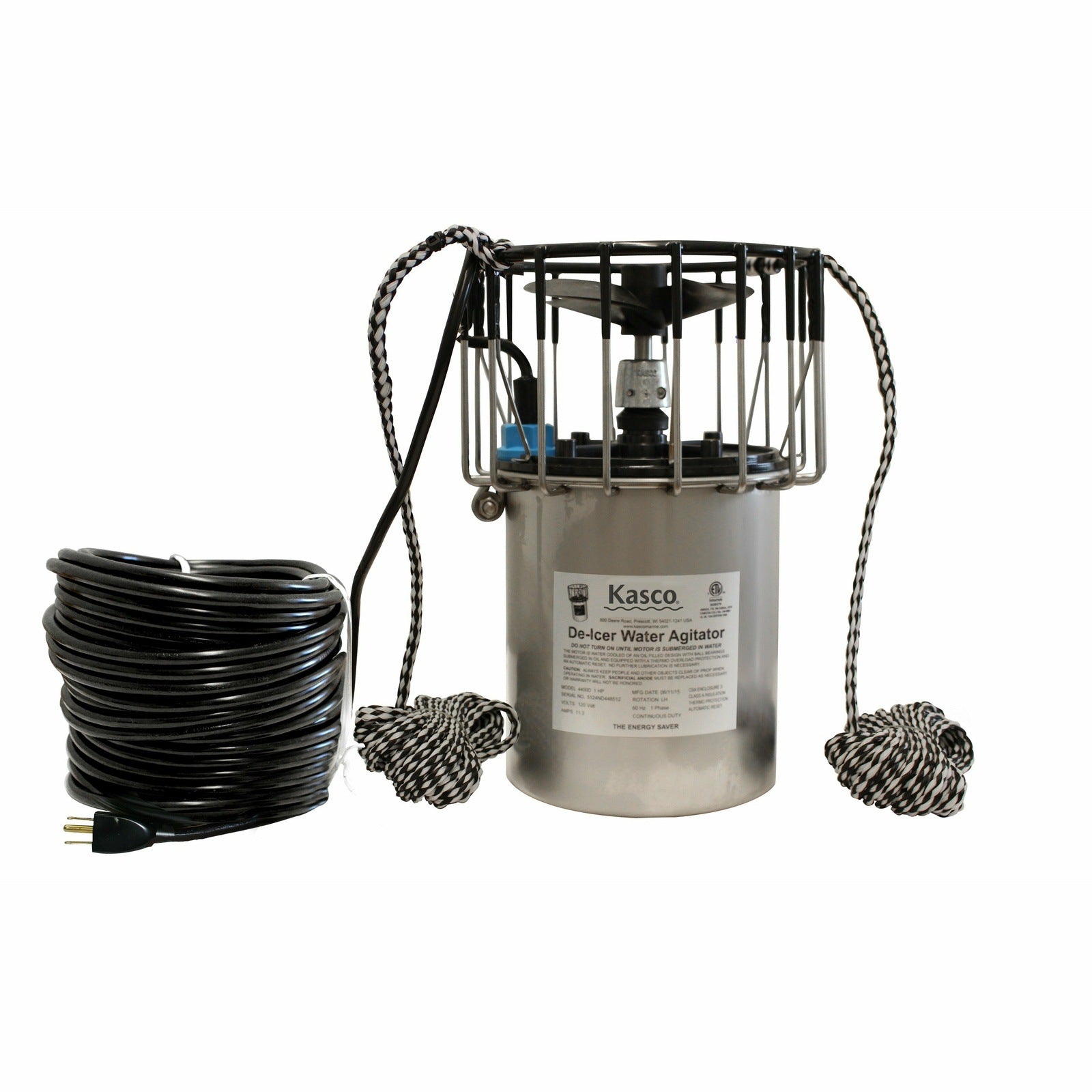
- Ensure proper oxygen levels with aeration systems.
- Keep the water clean by removing leaves and debris.
-
Avoid disturbing fish, as stress can be harmful during torpor.
Conclusion
Fish do not sleep or hibernate in the way mammals do, but they have effective strategies to survive winter. Most enter a state of torpor, where their metabolism slows, activity drops, and feeding becomes minimal. Some species migrate to warmer areas, while others rely on unique biological adaptations to handle extreme cold. For pond owners, understanding these behaviors and providing proper care, such as clean water, adequate oxygen, and minimal disturbance, ensures that fish remain healthy throughout the winter and return to normal activity when temperatures rise.