

Quick Answer
Keep pond plants safe until spring by separating hardy varieties from tropical ones before freezing weather arrives. Lower hardy plants below the pond’s expected ice line, and move tropical plants to a warm, frost-free indoor location. Remove dead foliage and check stored plants periodically for drying, mold, or rot.

Pond plants do more than add beauty to your water. They help balance nutrients, protect fish, and support a healthy ecosystem. As winter approaches, many pond owners wonder how to protect these plants until warm weather returns. With the right steps, you can keep your lilies, marginals, and floating plants healthy so they are ready to bounce back in spring.
Below is a simple, practical guide to winter plant care so your pond stays in great condition year after year.
Know Your Plant Types
Each type of pond plant handles cold weather differently. Understanding what you have helps you protect them properly.
1. Hardy Water Lilies
Hardy lilies can survive winter outdoors in cold regions as long as they stay below the freeze line. They naturally go dormant and come back strong in spring.
2. Tropical Water Lilies
These need warm temperatures. If left outside in a frozen pond, they will not survive. They must be stored indoors for winter.
3. Marginal Plants
These include cattails, iris, pickerelweed, and other shoreline or shallow water plants. Hardy varieties usually overwinter outdoors with minimal care. Tropical varieties must be stored indoors.
4. Floating Plants
Water hyacinth and water lettuce cannot handle frost. They must be cleared from the pond before freezing temperatures arrive.
Step by Step: How to Protect Pond Plants for Winter
Step 1: Clean and Trim
Start by trimming yellow or browning leaves. This keeps debris out of the water and helps reduce nutrient buildup as plants go dormant.
Remove spent blooms and old stems. Cutting back marginals to just above the water line helps them settle into winter without stressing the pond.
Step 2: Move Plants Below the Freeze Line
Hardy lilies and other hardy potted plants can stay in the pond as long as the pot sits below where ice forms. Place them in the deepest part of the pond so the root system stays insulated.
If your pond is shallow and freezes all the way through, bring hardy plants into a garage or basement where temperatures stay cool but do not freeze.
Step 3: Store Tropical Plants Indoors
Tropical lilies and marginal plants need warm conditions to survive winter. Bring them indoors and keep them in water containers that stay between 55 and 70 degrees.
Keep the container in a room with indirect light. The goal is to keep the plant alive, not actively growing.
Step 4: Remove Floaters Before Frost
Floating plants die quickly when temperatures dip. Scoop them out before the first frost so they do not decay in the pond and create extra nutrients that feed algae in spring.
Step 5: Keep the Water Oxygenated
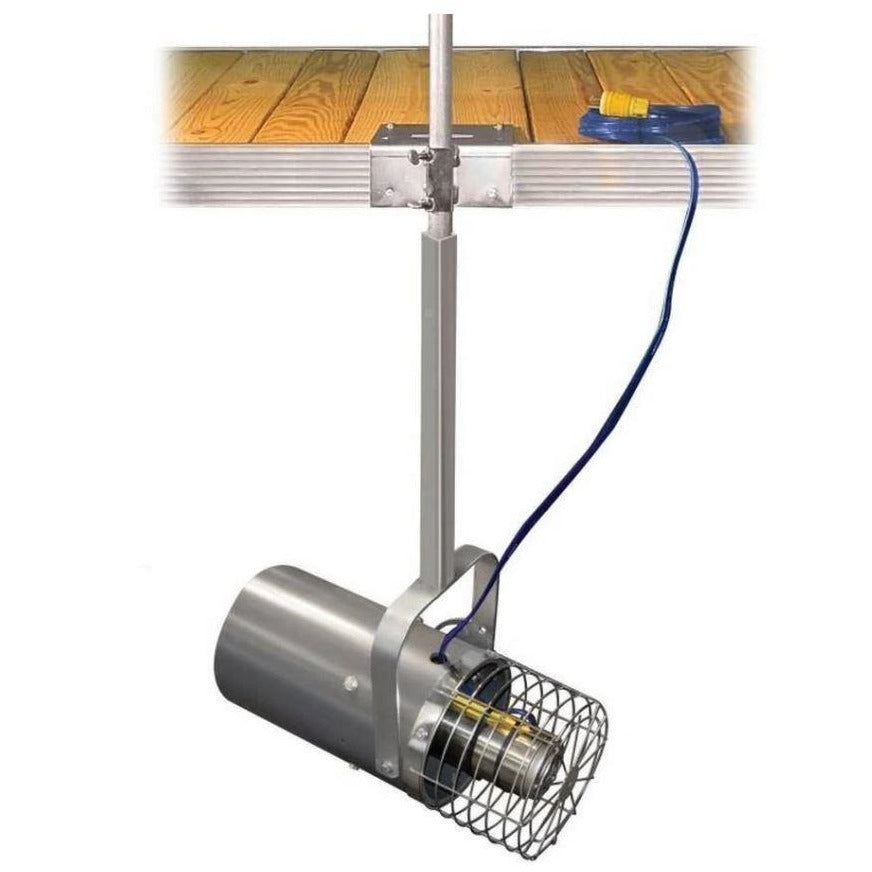
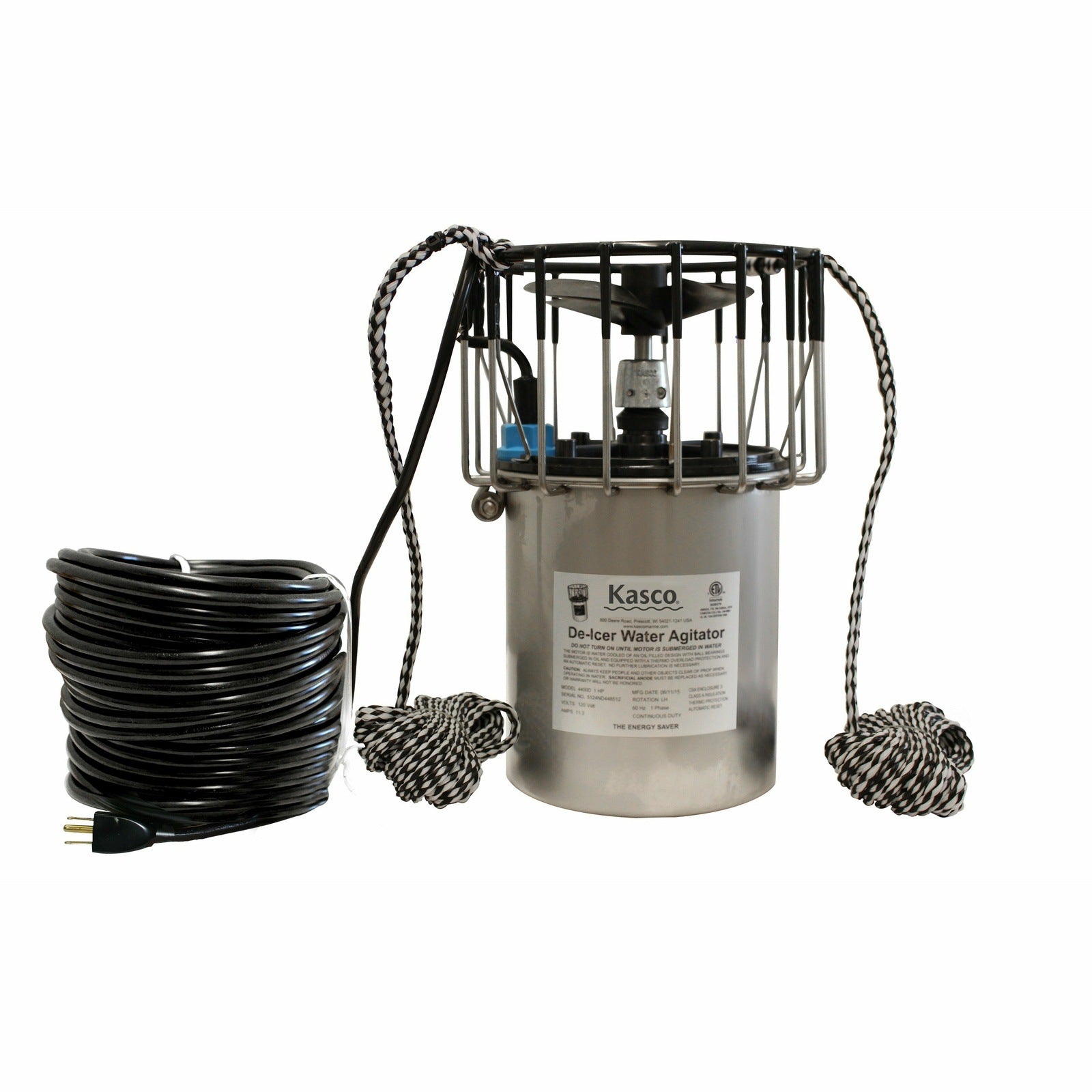
Even while plants sleep, the pond benefits from winter aeration. Cold water holds less oxygen than many people think. A simple pond aerator or de-icer keeps an opening in the ice, moves water gently, and protects fish.
ProtoPond carries a full selection of winter equipment that many pond owners use during the cold season, including:
- Pond aerators that keep oxygen levels stable
- De-icers that prevent full ice coverage
- Pumps designed for cold weather circulation
Good circulation supports both plants and fish through winter.
Step 6: Reduce Fertilizer and Feeding
Stop fertilizing lilies and marginals once temperatures drop. Fertilizer encourages new growth the plant cannot support in winter.
This gives plants a chance to rest naturally until the weather warms up.
Optional Indoor Plant Storage Tips
If you choose to overwinter plants indoors, here is how to keep them healthy:
- Keep water fresh and change it every two to three weeks
- Place plants near a bright window or use gentle indoor lighting
- Maintain a temperature that stays above 55 degrees
- Do not overwater soil based marginal plants
- Keep the room humid to prevent plants from drying out
This slow and steady method keeps tropical varieties alive without stressing them.
Prepare Your Pond for a Healthy Spring
When spring arrives, gradually reintroduce plants to the pond. Warmer days and cooler nights mean it is safer to return hardy plants first. Tropical varieties should wait until water temperatures stay above 65 degrees.
A clean, well maintained pond will help your plants wake up brighter, fuller, and stronger.
If you want to boost clarity and support early season plant recovery, many pond owners add beneficial bacteria in spring.
Final Thoughts
Winter does not have to be hard on your pond plants. With a little preparation, your lilies, marginals, and floaters can stay protected until warmer weather returns. The key steps are trimming, storing correctly, improving winter aeration, and keeping the pond clean as temperatures drop.