

Mosquitoes are a familiar challenge for anyone who manages a pond or small lake. While most people focus on treating the insects themselves, the real key is understanding the water conditions that allow mosquitoes to thrive. By addressing the factors that support mosquito breeding, you can improve both comfort around the water and the long-term health of the pond.
This guide explores how mosquitoes use pond environments, why certain water conditions attract them, and what steps truly make a lasting difference in controlling mosquito activity.
Why Mosquitoes Breed in Certain Ponds
Mosquitoes do not choose breeding locations at random. They look for water that supports the full life cycle of their larvae. Three conditions make ponds especially inviting.
1. Still or Poorly Circulated Water
Mosquito larvae must stay at the surface to breathe. They cannot survive in moving water. When the surface of a pond is calm for long periods, the water becomes an ideal place for eggs to develop.
2. Low Oxygen Zones
Warm, shallow areas without circulation tend to have low oxygen levels. These “dead zones” slow down natural biological activity, leaving more organic material for larvae to feed on.
3. Heavy Organic Buildup
Leaves, decaying plants, and bottom sludge create nutrient-rich areas. These pockets give mosquito larvae a steady food source, allowing populations to grow rapidly.
Understanding these conditions helps reveal why some ponds suffer with mosquito problems while others do not.
How Water Movement Helps Reduce Mosquito Activity
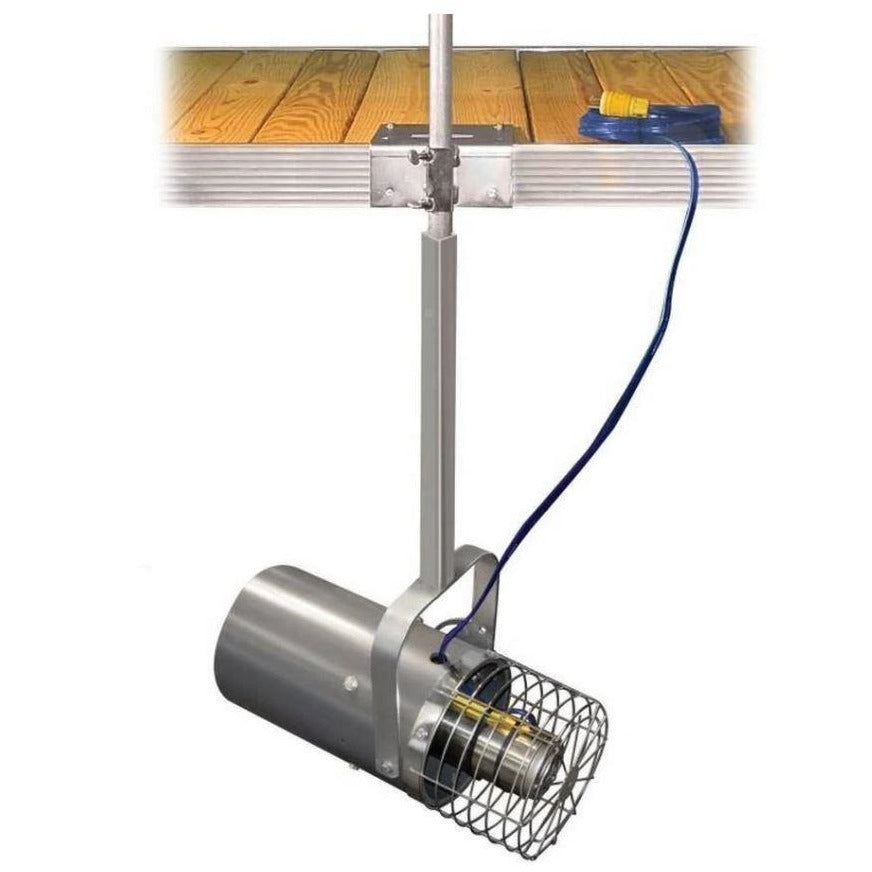
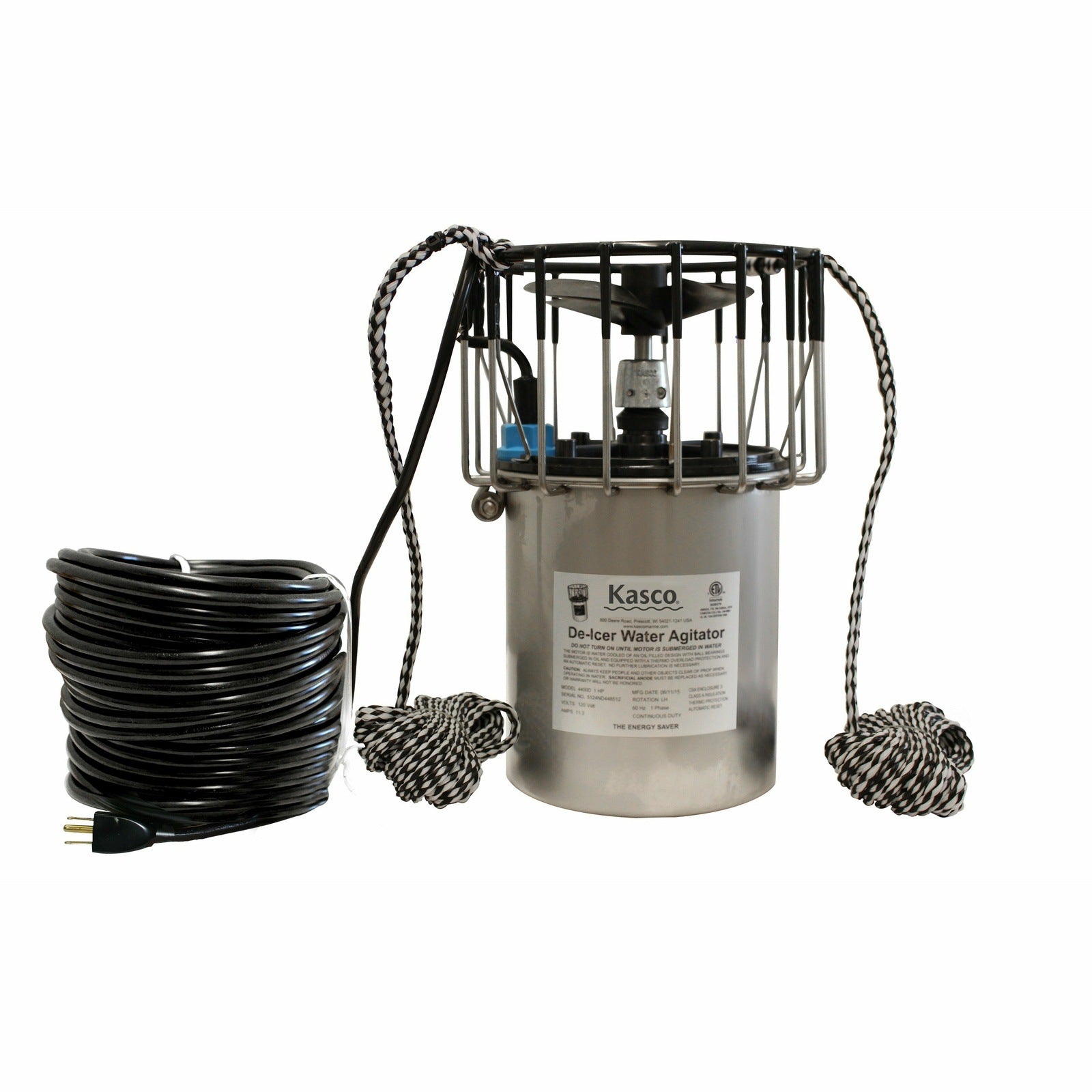
Healthy water movement is the foundation of long-lasting mosquito control. Even small amounts of surface agitation make it difficult for mosquitoes to lay eggs or for larvae to survive.
Why Movement Works
- Larvae cannot hang at the surface to breathe when water is disturbed.
- Movement breaks the smooth surface tension mosquitoes rely on for egg-laying.
- Circulation improves oxygen levels, reducing the stagnant areas where larvae thrive.
- Water movement strengthens the pond’s natural biological processes that help break down waste.
Consistent circulation transforms the pond environment into a place where mosquitoes cannot complete their life cycle.
The Role of Beneficial Bacteria in Larvae Reduction
Mosquitoes rely heavily on organic material as a food source. A pond with thick muck or cloudy water usually contains more nutrients than needed, making it easier for larvae to develop.
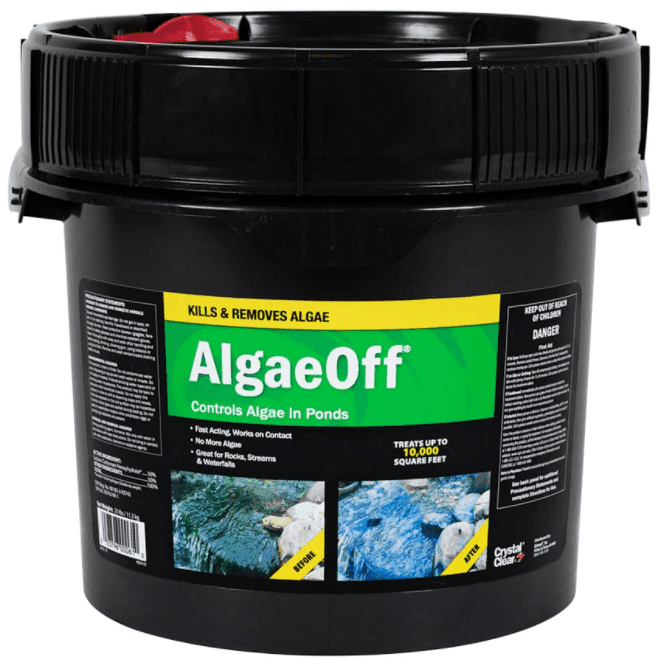
Adding beneficial bacteria helps by:
- Breaking down organic waste
- Reducing sludge that accumulates at the bottom
- Improving clarity
- Lowering nutrient levels that fuel algae and larvae growth
This creates cleaner conditions that naturally limit mosquito breeding areas.
How Fish Influence Mosquito Populations
Certain fish species consume mosquito larvae and play an important role in natural control. While fish alone cannot solve a mosquito problem, a healthy predator population can help keep numbers down.
Fish commonly known to eat mosquito larvae include:
- Bluegill
- Minnows
- Bass
- Guppies
- Local mosquito-consuming species (depending on regulations)
For fish to be effective, the pond needs proper oxygen levels and good water quality.
Shoreline Maintenance and Its Impact
Even if the main body of the pond is circulating well, neglected shorelines can still provide sheltered breeding zones. Mosquitoes use these quiet edges to avoid movement from wind or circulation.
Helpful shoreline steps include:
- Trimming overgrowth
- Removing branches or heavy plant debris
- Clearing blocked inlets and outlets
- Reducing shaded pockets that stay still
Maintaining the shoreline ensures that mosquito control efforts reach all parts of the pond.
Avoiding Short-Term, Unbalanced Approaches
Chemical treatments may temporarily reduce mosquito activity, but they do not correct the conditions that caused the issue. When underlying water-quality concerns remain, mosquito populations often bounce back quickly.
Long-term reduction is more effective when focused on:
- Healthier water movement
- Balanced biological activity
- Cleaner shorelines
- Reduced organic buildup
This approach not only reduces mosquitoes but also supports a stronger, healthier pond ecosystem.
Timing Matters: When to Begin Mosquito Prevention
Mosquito breeding begins early in the season, often as soon as temperatures regularly rise above 50 degrees. Starting prevention in spring helps stop the first wave of eggs before they hatch.
Effective early-season tasks include:
- Clearing winter debris
- Beginning water circulation
- Adding beneficial bacteria
- Inspecting shallow edges for buildup
Taking action early leads to better mosquito control all season long.
Mosquito Control Strategies for Larger Waters
Ponds used by neighborhoods, parks, or community areas may require a more detailed approach. Bigger waters often benefit from:
- Circulation across multiple areas
- Consistent shoreline care
- Routine biological treatments
- A balanced fish population
These steps help ensure that all areas of the water stay active and less inviting to mosquitoes.
Building a Long-Term Plan for a Healthier Pond
Effective mosquito control is not about reacting to insects but about creating a pond environment where they cannot thrive. By focusing on circulation, water health, and removal of organic waste, you naturally reduce mosquito activity while supporting a clearer and more stable ecosystem.
A thoughtful, season-long plan helps ensure both comfort and long-term pond health.