

A tropical greenhouse fish pond is one of the most effective ways to enjoy aquatic life throughout the year, especially in cold regions. By combining a greenhouse environment with a pond ecosystem, you create a controlled space where tropical fish and plants can survive, grow, and stay active even during winter.
Unlike outdoor ponds that go dormant in freezing temperatures, greenhouse ponds maintain stable warmth, light balance, and oxygen levels, making them ideal for serious pond hobbyists and aquatic plant lovers.
What Is a Tropical Greenhouse Fish Pond?
A tropical greenhouse fish pond is an enclosed water garden placed inside or under a greenhouse structure. The goal is to protect the pond from extreme weather while maintaining warm-water conditions suitable for tropical fish and plants.
It is commonly used for:
-
Year-round fish keeping
-
Tropical aquatic plant growth
-
Controlled aquatic ecosystems
-
Extending pond hobby beyond seasonal limits
Key Design Factors for a Successful Greenhouse Pond
Proper planning is the foundation of a stable and healthy pond ecosystem. A poorly designed setup can lead to temperature imbalance, algae issues, or oxygen loss.

Important Design Considerations
|
Factor |
Ideal Setup |
Why It Matters |
|
Pond Depth |
2 to 3+ feet |
Stabilizes water temperature |
|
Biological + mechanical |
Maintains clear and healthy water |
|
|
Continuous airflow system |
Prevents oxygen shortage |
|
|
Greenhouse Type |
Insulated polycarbonate or glass |
Controls heat loss |
|
Sun Exposure |
Partial to full sunlight |
Supports plant growth |
For equipment ideas, explore our guide on pond filtration systems for healthy water balance.
Best Fish for Greenhouse Ponds
Choosing the right fish species ensures long-term stability and reduces maintenance problems.
|
Fish Species |
Key Benefit |
Care Level |
|
Cichlids |
Colorful and active |
Moderate |
|
Plecostomus |
Natural algae control |
Easy |
|
Tetras |
Peaceful community fish |
Easy |
|
Archerfish |
Unique behavior and interaction |
Advanced |
Before introducing fish, always check compatibility and temperature requirements.
You can also read our internal guide on how to maintain healthy pond fish year round for deeper care strategies.
Best Plants for Tropical Pond Ecosystems
Plants play a major role in oxygen production, shade control, and natural filtration.
Recommended tropical plants include:
-
Water lilies
-
Lotus
-
Water lettuce
-
Papyrus
-
Taro
-
Floating hyacinth
These plants not only improve water quality but also reduce algae growth by limiting excess nutrients and sunlight penetration.
Essential Equipment for Greenhouse Pond Success
A greenhouse pond requires a few core systems to stay stable year round.
Filtration System
A strong biological filter removes waste and prevents ammonia buildup. Over-filtering is often better than under-filtering in tropical ponds.
Aeration System
Aeration improves oxygen levels and keeps water circulating. This is essential during warm months when oxygen levels naturally drop.
Heating System
In colder climates, heaters ensure fish remain within their ideal temperature range.
Monitoring Tools
Smart thermometers help track water conditions in real time and prevent sudden ecosystem changes.
Common Problems and How to Prevent Them
1. Algae Overgrowth
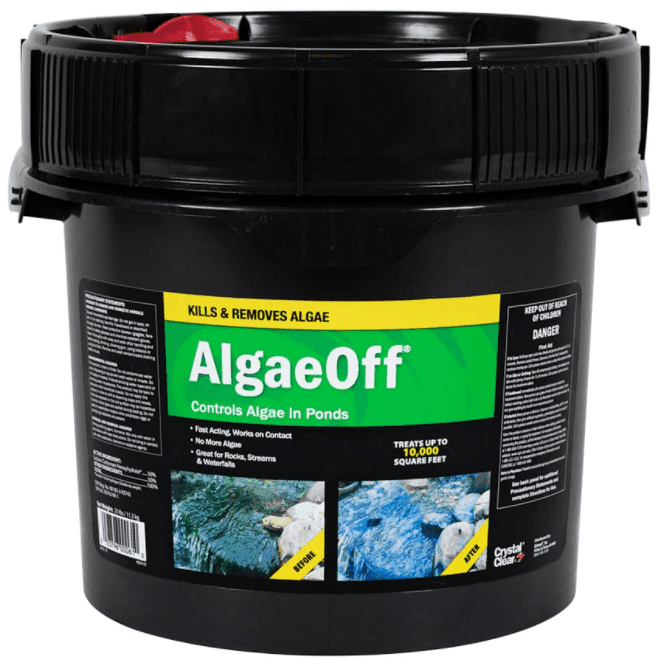
Warm water and sunlight can trigger algae blooms.
Prevention methods:
-
Add aquatic plants
-
Avoid overfeeding fish
-
Use proper filtration
-
Maintain balanced nutrients
2. Excess Humidity
Greenhouses trap moisture, which can affect air quality.
Solution:
-
Improve ventilation
-
Use exhaust fans
-
Keep airflow consistent
3. Oxygen Depletion
Warm water holds less oxygen, which can stress fish.
Solution:
-
Install continuous aeration
-
Increase surface movement
-
Avoid overcrowding fish
For deeper insights, see our guide on pond algae control and prevention strategies.
Why Greenhouse Ponds Are Worth It
A tropical greenhouse pond transforms your gardening experience from seasonal to year-round. It allows you to:
-
Keep exotic fish alive through winter
-
Grow tropical aquatic plants naturally
-
Control ecosystem conditions precisely
-
Enjoy a living water garden in all seasons
It is not just a hobby upgrade, it is a complete shift toward controlled aquatic gardening.