

Quick Answer
The best fish species for backyard ponds are koi, goldfish, and mosquitofish, depending on your pond size, climate, and maintenance goals. Koi are valued for their size and color, goldfish are hardy and easy to care for, and mosquitofish help control mosquito larvae. Choose species that match your pond's depth, filtration, and water conditions. Avoid overcrowding, as it can reduce water quality and fish health.
Choosing the right fish for your backyard pond is one of the most important steps in creating a healthy and balanced water feature. The fish you add will affect water clarity, filtration needs, maintenance levels, and the overall appearance of your pond. Some fish stay small and adapt well to decorative ponds, while others grow quickly and require deeper water with stronger filtration systems.
Backyard pond fish also differ in behavior, feeding habits, and temperature tolerance. A species that thrives in a large rural pond may struggle in a compact ornamental pond. That is why pond size, climate, and long term care should always be considered before stocking fish.
In this guide, you will learn which fish species work best in backyard ponds, how to choose fish based on pond conditions, and what to avoid if you want clear water and healthy fish year round.
What to Consider Before Adding Fish to a Backyard Pond

Before buying pond fish, it is important to understand the conditions your pond can support. Fish health depends on water quality, oxygen levels, temperature stability, and available space. Choosing species without considering these factors often leads to algae growth, cloudy water, or overcrowding.
A well planned pond creates a healthier environment and reduces maintenance over time.
Pond Size and Water Depth
Pond size directly affects the number and type of fish you can keep. Large fish species need more swimming space and produce more waste. Small ponds are usually better suited for fish that remain compact and adapt to limited water volume.
Depth matters as well, especially in regions with cold winters or hot summers. Shallow ponds heat up quickly during summer and may freeze more easily during winter.
As a general guideline:
- Small ponds under 500 gallons are ideal for goldfish, mosquito fish, and minnows
- Medium ponds can support larger groups of goldfish or shubunkins
- Large ponds over 1,000 gallons are better suited for koi and larger pond fish
Water Temperature and Seasonal Conditions
Fish species respond differently to temperature changes. Some tolerate cold water very well, while others need stable temperatures throughout the year.
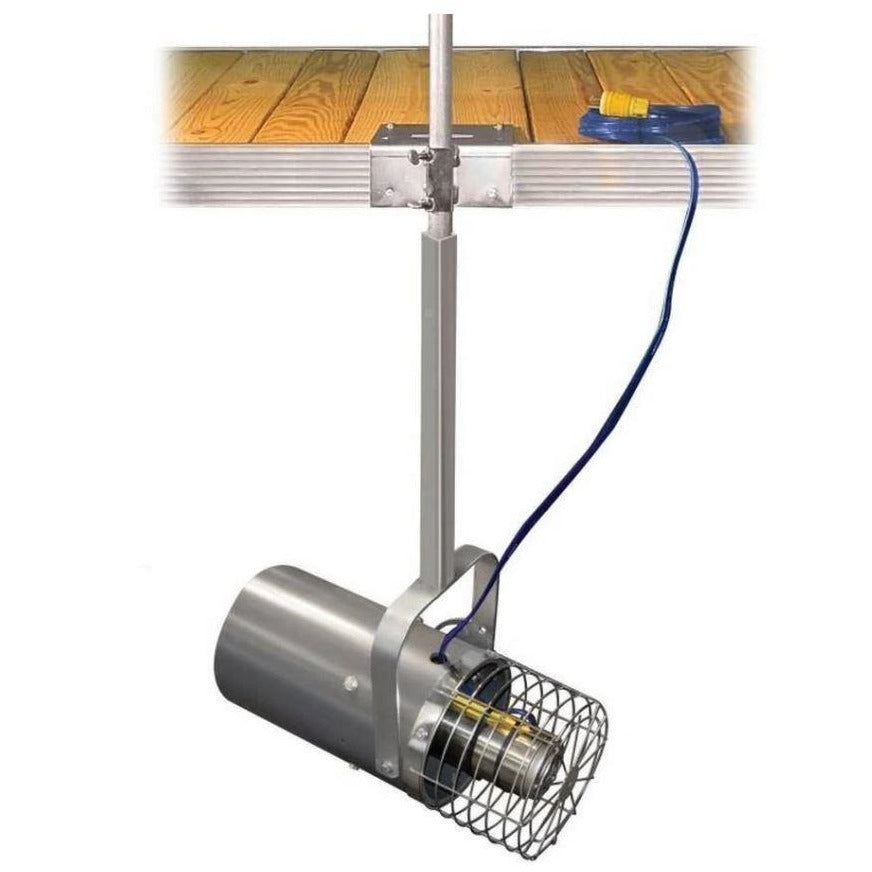
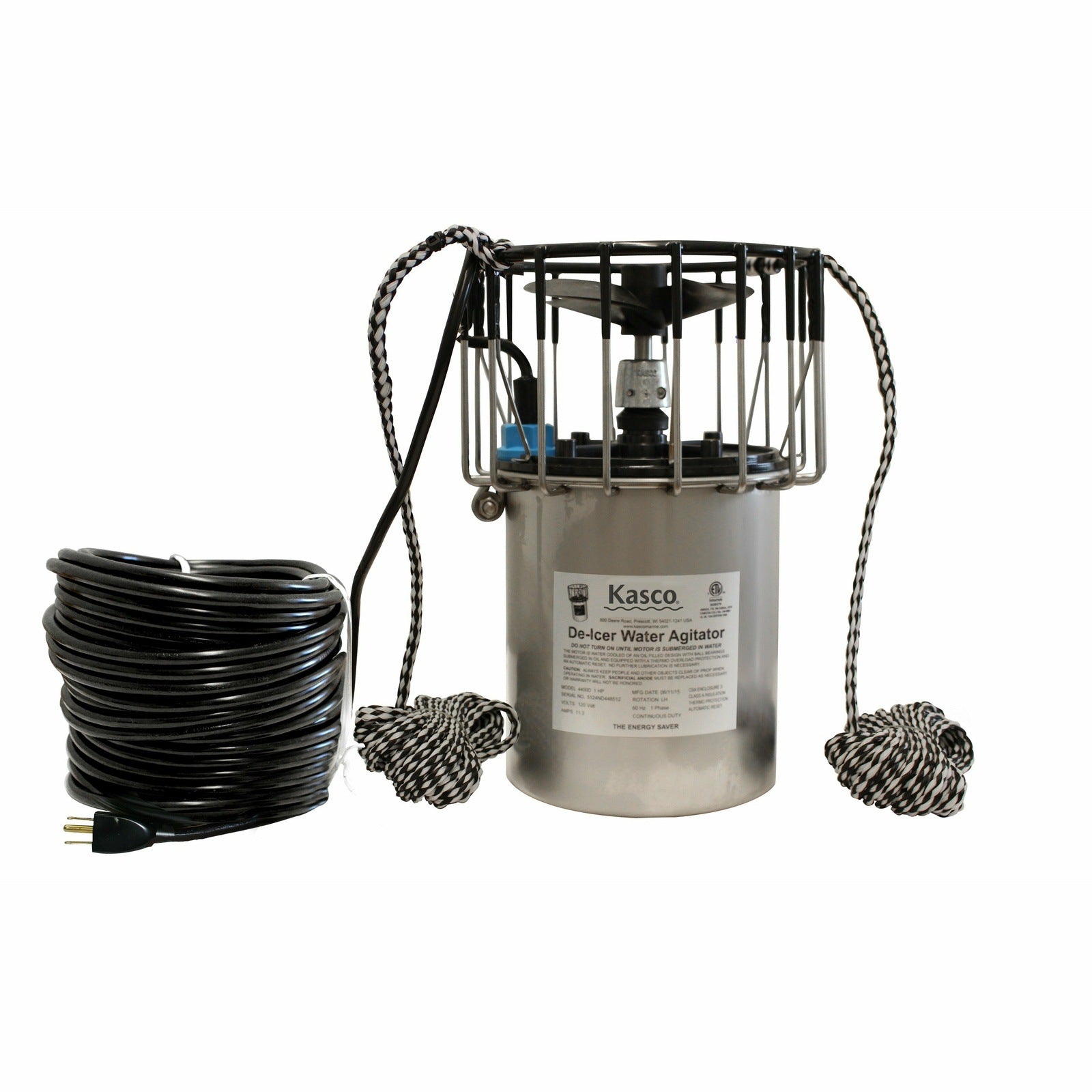
Cold hardy fish such as koi, goldfish, and rosy red minnows can survive winter in outdoor ponds if the water remains oxygenated and deep enough. In colder climates, pond aerators and deicers help prevent complete ice coverage.
If you live in a warmer region, make sure the pond includes shaded areas and proper circulation to maintain oxygen levels during summer.
Filtration and Water Quality
Fish waste breaks down into ammonia, which can quickly become harmful in poorly filtered ponds. Larger fish create heavier biological loads, requiring stronger filtration systems and regular maintenance.
Mechanical and biological filtration help maintain healthy water conditions. Aquatic plants also improve water quality by absorbing nutrients and providing shade.
A properly filtered pond supports healthier fish, reduces algae growth, and keeps the water clearer.
Local Fish Regulations
Some fish species are restricted in certain regions because they are considered invasive. Before introducing fish into outdoor ponds, check local wildlife or environmental regulations to confirm which species are allowed in your area.
This is especially important for natural ponds connected to streams, drainage systems, or nearby waterways.
Best Fish Species for Backyard Ponds

Several fish species are commonly recommended for backyard ponds because they adapt well to outdoor conditions and are relatively easy to maintain. The best choice depends on your pond size, climate, and maintenance preferences.
Koi
Koi are among the most recognized pond fish due to their bright colors, long lifespan, and graceful swimming patterns. They can grow more than two feet long and often live for decades when properly cared for.
Because of their size, koi require large ponds with stable water quality and strong filtration systems. A pond depth of at least three feet is usually recommended to help them stay healthy during winter and summer temperature changes.
Koi are best suited for pond owners who have enough space and are prepared for long term maintenance.
Goldfish
Goldfish are one of the easiest fish species for backyard ponds. They are hardy, adaptable, and available in many varieties, including comet, wakin, and fantail goldfish.
Unlike koi, goldfish remain smaller and can comfortably live in medium sized ponds. They tolerate a wide range of temperatures and are generally less demanding when it comes to filtration.
For beginner pond owners, goldfish are often the safest and most practical option.
Shubunkins
Shubunkins are a type of single tailed goldfish known for their calico patterns and energetic swimming behavior. They are active fish that do well in outdoor ponds with plenty of open swimming space.
These fish are highly adaptable and can tolerate cooler water temperatures, making them a strong option for year round ponds in many climates.
Shubunkins also mix well with other peaceful pond fish, especially goldfish.
Rosy Red Minnows
Rosy red minnows are small, peaceful fish that work well in decorative ponds and wildlife ponds. They stay relatively small and produce less waste than larger species.
These minnows are often added to ponds because they tolerate cold water, reproduce easily, and help consume leftover food and organic matter.
They are best kept in groups and are ideal for small backyard ponds with limited filtration systems.
Mosquito Fish
Mosquito fish are commonly used in ponds to help control mosquito larvae naturally. They are hardy fish that survive in shallow water and require minimal maintenance.
Although they are small, mosquito fish reproduce quickly, so population control may eventually become necessary in smaller ponds.
They are most commonly used in wildlife ponds, rainwater ponds, and natural water gardens.
Bluegill and Sunfish
Bluegill and other sunfish species are better suited for large natural style ponds rather than decorative backyard ponds. These fish are more active and can become territorial in confined spaces.
They tolerate changing water conditions and can survive in larger outdoor ponds with minimal intervention. However, they are not recommended for small ornamental ponds because they may disturb smaller fish and aquatic plants.
Best Fish for Small Backyard Ponds
Smaller ponds need fish that stay manageable in size and do not overload the filtration system. Overstocking is one of the most common reasons small ponds develop water quality issues.
Goldfish, rosy red minnows, and mosquito fish are among the best choices for ponds under 500 gallons. These fish adapt well to limited space and generally require less maintenance than larger species.
If your pond is compact, avoid adding fish that grow rapidly or produce excessive waste.
Cold Hardy Fish for Outdoor Ponds
Outdoor ponds in colder climates need fish that can tolerate low temperatures during winter. Cold hardy fish survive by slowing their metabolism when water temperatures drop.
Koi, goldfish, and rosy red minnows are among the most reliable cold water pond fish. However, survival still depends on pond depth, oxygen levels, and ice prevention.
A pond that freezes completely can trap harmful gases beneath the ice and reduce oxygen exchange. Aerators and pond heaters help maintain safer winter conditions.
Fish Species That Live Well Together
Peaceful pond communities are easier to maintain when fish species share similar needs. Fish with comparable sizes and feeding habits generally coexist more successfully.
Goldfish and shubunkins are commonly kept together because they thrive in similar pond conditions. Minnows can also live alongside peaceful fish in larger ponds.
Avoid mixing aggressive fish with slow moving ornamental species in confined ponds. Large koi may also accidentally consume very small fish if space is limited.
Fish to Avoid in Decorative Backyard Ponds
Some fish species are not suitable for small or decorative ponds because they grow too large, uproot plants, or create excessive waste.
Common carp, large catfish, and aggressive predatory fish can quickly damage pond ecosystems. These species often stir debris from the bottom of the pond, leading to cloudy water and higher maintenance requirements.
Choosing fish that match your pond size helps prevent long term problems.
Tips for Keeping Pond Fish Healthy
- Maintain stable water conditions with regular pond care
- Feed fish only what they can consume within a few minutes
- Avoid overfeeding to prevent excess waste and ammonia buildup
- Test pond water regularly for pH, ammonia, and oxygen levels
- Add aquatic plants for shade, shelter, and natural filtration
- Quarantine new fish before introducing them to the pond
- Monitor fish behavior for early signs of stress or illness
- Keep filtration systems clean and functioning properly
Conclusion
The best fish species for backyard ponds depend on your pond size, climate, and maintenance goals. Goldfish, koi, shubunkins, rosy red minnows, mosquito fish, and sunfish are all popular choices for outdoor ponds because they are adaptable and visually appealing.
For smaller ponds, low waste fish like goldfish and minnows are usually the best option. Larger ponds with proper depth and filtration can support koi and other larger fish species more comfortably.
By choosing compatible fish, avoiding overcrowding, and maintaining good water quality, you can create a backyard pond that remains healthy, clear, and enjoyable throughout the year.