
Creating a pond that holds water without leaks is possible with a few careful, natural techniques. Using low-cost, eco-friendly methods can ensure your pond holds water effectively—without relying on plastic liners or chemical sealants. This guide covers everything you need to know, with clear steps and tips to help you make your pond self-sustaining.
Building a pond that holds water naturally starts with understanding soil and water flow. If a pond doesn't naturally retain water, the reasons usually include soil type, pond location, or poor construction practices. Addressing these factors can turn your pond into a durable water reservoir that maintains water for long periods.
Soil Matters: Why It’s Key to Holding Water

The first step to making your pond hold water naturally is understanding the soil in the area. Not all soil types are suitable for water retention, so assessing and, if necessary, amending the soil is critical.
-
Clay Soil: Best for holding water due to its small particles and tight structure. It doesn’t allow water to pass through easily.
-
Sandy Soil: Poor for ponds as it allows water to seep away quickly. Sand has large particles with spaces between them.
-
Loam Soil: Contains a mix of clay, silt, and sand—ideal for gardening but can vary in water-holding capacity.
How to Check Soil Type
A simple test involves picking up a handful of damp soil. Squeeze it tightly. If it crumbles, you likely have sandy soil. If it forms a sticky clump, you may have clay, which is perfect for holding water. Another method is to fill a jar with soil and water, shake it well, and let it settle. Sand will settle at the bottom, silt in the middle, and clay on top. This will help you understand what amendments may be needed.
Natural Methods to Seal a Pond

-
Compacting the Soil: Once you determine that the soil has enough clay, compacting it can make it nearly waterproof. Use a heavy roller or your feet to pack the soil tightly. A compacted layer reduces water movement by eliminating spaces where water can seep out.
-
Adding Bentonite Clay: If natural clay content is low, bentonite clay can enhance water retention. Bentonite is a natural, safe material that swells when wet, filling gaps and reducing leakage. Spread a 1-2 inch layer of bentonite over the pond bottom and sides, then compact it. It’s highly effective and is often used as a natural pond sealer.
-
Using Animal Activity: Livestock, like cattle, can aid in compacting the soil. Allowing animals to walk over the pond area can help press the soil down, creating a more compact, water-tight layer. However, this method is less controlled and may take more time to be effective.
-
Soil-Cement Mixture: For small ponds, mixing a little cement with soil can improve water retention. A 5-10% cement to soil ratio helps create a surface that is more resistant to seepage. After applying this mixture, pack it down well. This technique combines natural and minimal material to get the best results.
Choosing the Right Location
A pond that holds water well starts with location. Avoid areas with high water tables or sandy soils. Low-lying areas with natural clay deposits are ideal, as they naturally collect and hold water. Look for places where water pools after rainfall—this indicates the soil may be suitable for holding water.
To avoid excess seepage:
-
Keep the pond away from the roots of large trees.
-
Avoid steep slopes or locations with high water drainage.
Pond Shape and Depth
Ponds with gentle slopes and varying depths tend to hold water better. A shallow, gently sloped pond is less likely to lose water compared to steep-sided ponds. For best results:
-
Shape the pond with a bowl-like design.
-
Aim for a depth of at least 3-5 feet for small ponds to ensure they don’t dry out quickly.
-
Include shelves at varying depths to help with wildlife habitats and reduce erosion.
Adding Vegetation
Plants can help retain water by reducing evaporation and stabilizing the soil. Wetland plants, like reeds, cattails, and water lilies, are ideal for pond edges. They provide shade, which lowers the water temperature and minimizes water loss. Plants also reduce erosion, keeping the pond edges strong.
Plants that thrive in wet conditions include:
-
Reeds and Rushes: These thrive in the shallows and help reduce wave action.
-
Cattails: Their strong root systems keep soil in place, reducing erosion.
-
Water Lilies: Float on the surface, offering shade and reducing evaporation.
Benefits of Lining the Pond with Clay
Using clay as a liner is one of the oldest and most natural ways to create a water-holding pond. Clay is effective because it swells when wet, closing off potential gaps where water might escape. If your pond naturally has clay soil, a lining may not be necessary. If clay is minimal, apply a 6-12 inch layer to the pond’s bottom and sides, then compact it.
Advantages of Clay Lining:
-
Durable and long-lasting.
-
Eco-friendly and natural.
-
Minimal maintenance once installed.
For ponds that struggle with water retention, bentonite clay is an excellent additive.
Natural Leak Tests
To check if your pond holds water well, fill it with a few inches of water. Monitor the water level over a week without adding more water. Slight evaporation (up to 1/4 inch per day) is natural, but if levels drop significantly, seepage could be an issue. Consider additional clay or compacting methods if needed.
How can evaporation be reduced in a naturally sealed pond?
Evaporation in a natural pond can be reduced by increasing shade, reducing wind exposure, and improving shoreline protection. Shade and windbreaks lower surface agitation and solar heating, which slows water loss into the atmosphere during warm conditions. Floating plants and deeper pond design also reduce exposed surface area and help maintain cooler water temperatures. However, excessive shading or vegetation can reduce oxygen exchange and should be balanced to avoid impacts on aquatic ecosystem health.
Conclusion
Making a pond hold water naturally is achievable with the right approach. From choosing clay soil to adding plants, each step strengthens your pond’s water-holding ability without relying on artificial materials. Follow these steps, test your pond, and adjust as needed for a sustainable water feature that enhances your environment.
Explore our range of pond products to keep your pond vibrant and balanced.
To maintain water quality and circulation, consider using a high-performance aerator for ponds to keep oxygen levels balanced.
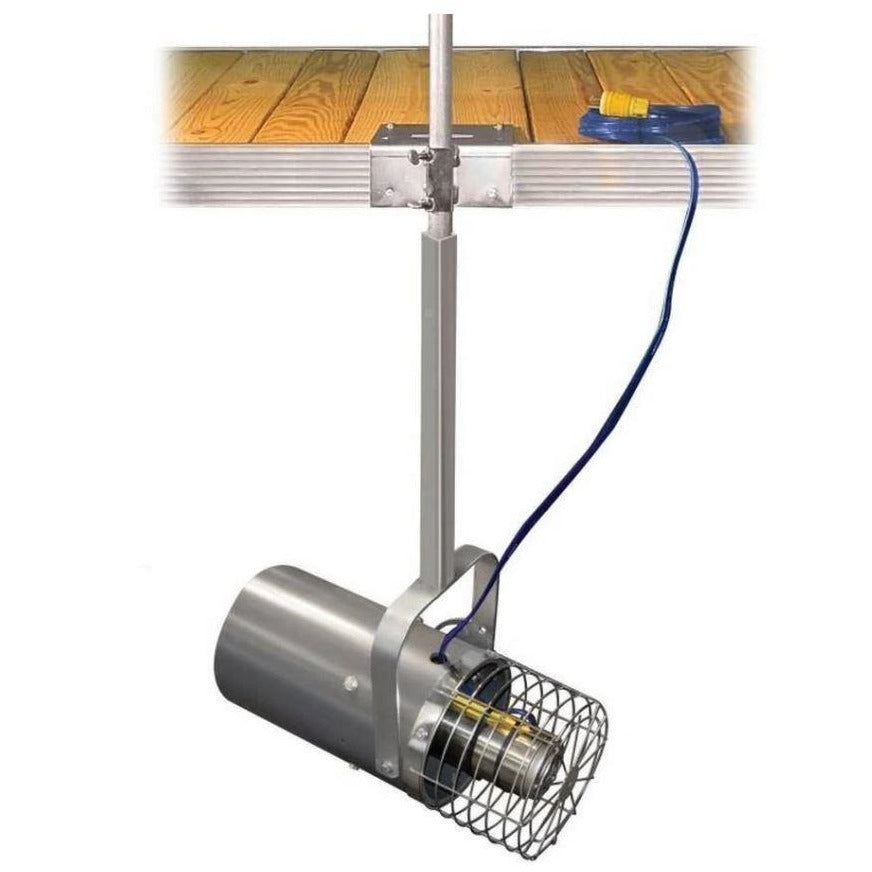
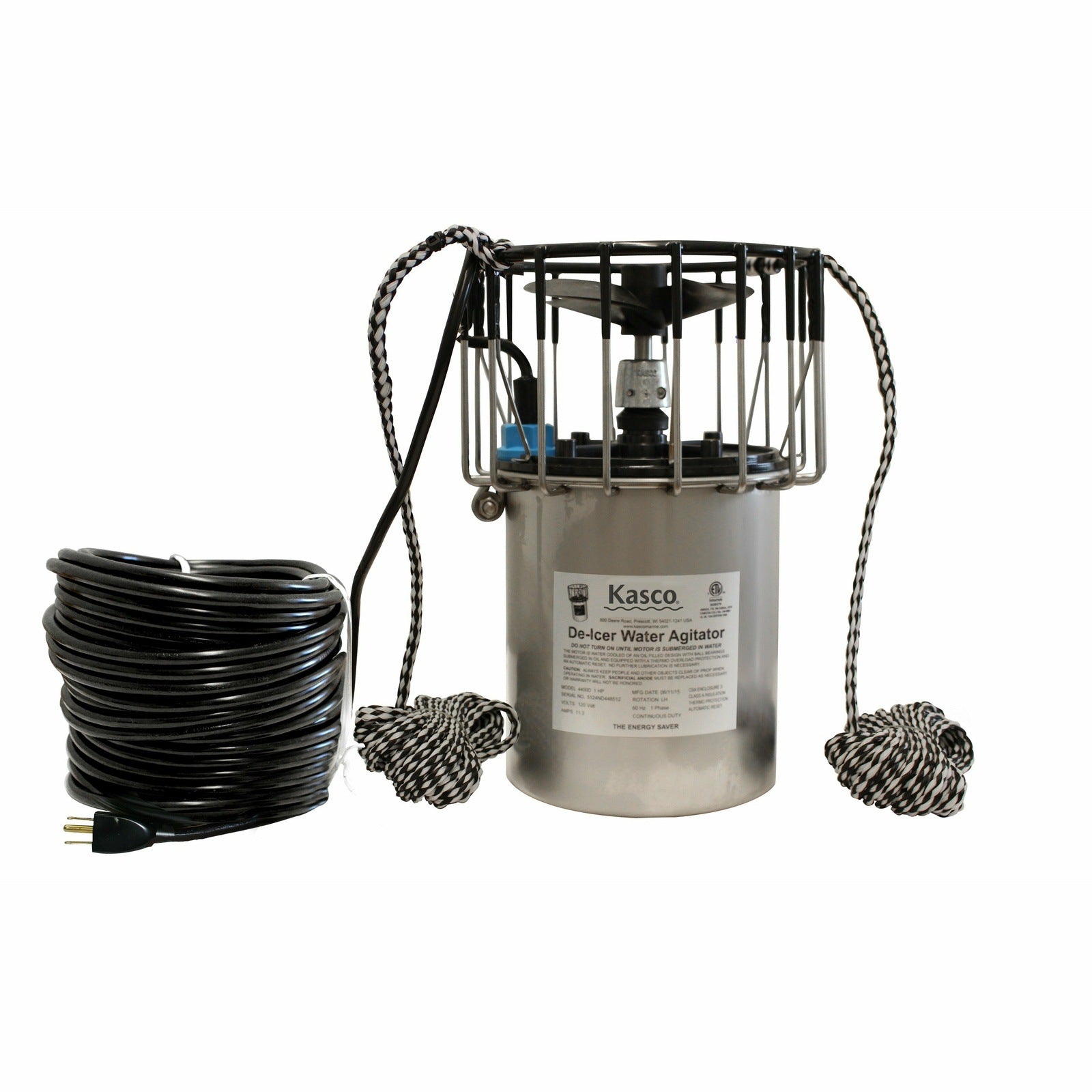
In cold regions, bubbler systems for docks are ideal for preventing ice formation and damage.
You can also protect your shoreline with reliable dock de-icing equipment that promotes year-round water flow.
To support continuous movement in your pond, check out our selection of pond water pumps designed for efficiency.
For quiet and effective submerged flow, our submersible pump options offer long-term performance.