

Algae growth is a common challenge faced by pond owners, often leading to murky water and imbalanced aquatic ecosystems. The good news is, there are many algae eater fish species that will happily munch on algae all day long to keep it under control.
In this comprehensive guide, we explore the top 12 algae eater fish species that can help keep your pond clear and vibrant. From understanding the benefits of incorporating these fish into your pond maintenance routine to selecting the right species for your specific needs, this article delves into the essential considerations to help you make informed decisions for a thriving aquatic habitat.

12 Species of Algae-Eating Fishes for Your Pond
| # | Name | Type | Best For | Pond Type | Notes |
| 1 | Koi | Fish | String algae | Medium–large |
Ornamental and effective grazers
|
| 2 | Goldfish | Fish | Soft algae | Small–medium | Easy to care for |
| 3 | Molly Fish | Fish | Light algae | Small ponds |
Also eats mosquito larvae
|
| 4 | Japanese Trapdoor Snail | Snail | Surface algae | Small–medium |
Low maintenance cleaner
|
| 5 | Dojo Loach | Fish | Bottom algae | Medium ponds |
Hardy and active
|
| 6 | Grass Carp | Fish | Heavy algae | Large ponds |
Highly effective vegetation eater
|
| 7 | Mosquito Fish | Fish | Algae + larvae | Small ponds |
Great for pest control
|
| 8 | Bullfrog Tadpole | Amphibian | Algae film | Natural ponds |
Temporary algae eater stage
|
| 9 | Siamese Algae Eater | Fish | Hair/string algae | Small–medium |
One of the best algae cleaners
|
| 10 | Plecostomus | Fish | Surface algae | Warm ponds |
Not suitable for cold climates
|
| 11 | Triploid Grass Carp | Fish | Aggressive algae control | Large ponds |
Sterile version of grass carp
|
| 12 | Otocinclus | Fish | Soft algae | Small ponds |
Best kept in groups
|
⚠️ Important Consideration
Do not introduce non-native fish into ponds that connect to natural waterways.
While these species may benefit your pond, they can disrupt local ecosystems if they spread to rivers or lakes.
12 Fish That Eat Algae in Ponds
1-KOI

Koi fish (Cyprinus carpio) are not only known for their stunning colors and graceful movements, but they are also excellent algae eaters. These ornamental fish flourish in temperatures ranging from 59°F to 77°F. Koi's strong appetite and constant foraging make them valuable allies in keeping ponds clear and aesthetically pleasing.
Koi can grow to impressive sizes, reaching 2-3 feet in length, and live for decades if well cared for. Their appetite for algae, combined with their beauty, makes them a popular choice . However, it's important to consider the size of your pond and provide adequate space for these majestic creatures.
2-GOLDEN FISH

Goldfish (Carassius auratus) are close relatives of Koi and are well-known for their vibrant colors and ease of care. While they may be smaller than Koi, they are still proficient algae eaters. Goldfish are opportunistic omnivores and will happily snack on algae and other plant matter in your pond. These hardy fish can reach sizes of 10-12 inches and have a lifespan of over 20 years. They are a budget-friendly option for algae control and can coexist with other fish species in your pond.
3-MOLLY FISH

Molly Fish (Poecilia sp.) are livebearing fish commonly found in home aquariums. While they are not primarily known for their algae-eating abilities, they can contribute to algae control. Mollies reproduce readily in a healthy environment, ensuring a consistent population that helps keep your pond clear of algae.
Molly Fish are a popular choice for their ease of care and attractive appearance. Thriving in temperatures between 72°F and 78°F, these fish help control algae growth, providing a dynamic and practical solution to maintaining a healthy pond environment. However, it's important to provide suitable conditions for them, including appropriate water parameters and a balanced diet.
4-Japanese Trapdoor Snail

Japanese Trapdoor Snails (Viviparus sp.) are large snails that are highly efficient at consuming algae. These snails are capable of reproducing asexually, ensuring a stable population in your pond. They peacefully coexist with other pond inhabitants and contribute to maintaining a clean and healthy environment.
It's essential to prevent Japanese Trapdoor Snails from escaping into natural waterways, as they can become invasive in some regions. Their ability to control algae makes them a valuable addition to your pond, but responsible ownership is crucial.
5-DOJO LOACH

Dojo Loach (Misgurnus anguillicaudatus) are fascinating eel-like fish that bring a unique charm to your pond.Dojo Loaches are known for their love of snacking on pond algae, especially string algae and small invertebrates. Preferring cooler temperatures between 50°F and 77°F, they bring both a unique appearance and effective algae control to the pond.
Known for their playful and social nature, these loaches will approach people and even eat out of their hands. Their playful behavior adds an entertaining element to your pond ecosystem. It's important to provide hiding places and appropriate water conditions to ensure their well-being.
6-GRASS CARP ![]()

Grass Carp (Ctenopharyngodon idella) are best suited for larger ponds due to their size and feeding habits. Grass Carp stand out as proficient consumers of submerged vegetation, including various types of algae. Thriving in temperatures between 65°F and 75°F, these herbivores play a crucial role in keeping pond vegetation in check.
It's important to check local regulations before introducing Grass Carp to your pond, as some areas may require permits. However, their size must be considered, as they can grow up to 5 feet in length.
7-MOSQUITO FISH

Mosquitofish (Gambusia sp.) are small fish known for their affinity for mosquito larvae. While they primarily consume invertebrates, they also have a taste for algae, especially when other food sources are scarce. Adding Mosquitofish to your pond can help control algae while also reducing mosquito populations.
These hardy fish adapt well to various water conditions and can thrive in warmer temperatures around 77°F. However, it's important to monitor their population as they can reproduce rapidly in favorable environments.
8-Bullfrog Tadpole

Bullfrog Tadpoles (Lithobates catesbeianus) are not direct algae eaters themselves, but their young stage can contribute to algae control indirectly. These tadpoles are voracious eaters and will happily consume algae as part of their diet. Additionally, they are effective in controlling mosquito populations.
However, it's crucial to ensure that Bullfrog Tadpoles are native to your area before introducing them to your pond. Non-native species can disrupt the local ecosystem and outcompete native species for resources.
9-Siamese Algae Eater

Siamese Algae Eaters (Crossocheilus sp.) are bottom-dwelling fish with a remarkable appetite for algae. These fish thrive in groups when young but establish their territories as they age. Siamese Algae Eaters excel at clearing algae growth, making them an effective natural solution for algae control in your pond.
It's important to ensure that you are purchasing Siamese Algae Eaters specifically, as they are often confused with a similar-looking fish, the Flying Fox, which has less efficient algae-eating capabilities.
Siamese Algae Eaters are known for their nonstop cleaning habits. They’re great at removing soft algae, black beard algae, and leftover food.
Key Points:
- Size: Up to 6 inches
- Feeding: Loves hair algae and soft biofilm
- Behavior: Active and peaceful
- Lifespan: 5–10 years
Pros:
- Eats a wide range of algae
- Less aggressive than Chinese algae eaters
- Adapts well to pond life (in moderate climates)
Cons:
- Not ideal for cold or freezing winters
- May compete with other bottom dwellers for food
Reminder: Make sure you’re buying a true Siamese Algae Eater (Crossocheilus oblongus), not the Chinese or flying fox lookalikes.
10-Plecostomus

Plecostomus (Hypostomus plecostomus) is a diverse group of tropical fish known for their algae-eating prowess. There are numerous species of Plecostomus, ranging in size from a few inches to over a foot long, depending on the species. These fish require a heated environment if your pond experiences cold temperatures.
It's important to consider the specific species of Plecostomus for your pond and provide suitable conditions for their well-being. Additionally, as they age, some Plecostomus species may develop aggression towards other fish, so careful observation is necessary.
11-Triploid Grass Carp – The Algae Mower

Triploid Grass Carp are one of the most effective pond algae eaters. Though they primarily feed on aquatic vegetation, they also munch on filamentous algae and submerged weeds.
Key points:
- Size: Can grow up to 4 feet long
- Feeding: Eats large amounts of plant material and algae
- Behavior: Peaceful and non-aggressive
- Lifespan: Up to 10 years
Pros:
- Excellent for controlling submerged weeds and string algae
- Suitable for large ponds
- Can eat up to 3 times their body weight daily
Cons:
- Not ideal for small ponds
- Needs permits in some states (due to their impact on natural ecosystems)
Fun Fact: Triploid grass carp are sterile. That’s why they're a safe choice for controlling algae without overpopulation risk.
12-Otocinclus – Small but Mighty

Otocinclus, often called "Otos," are tiny but hardworking algae grazers more common in aquariums but they can also help in small, indoor, or shallow pond setups.
Key point:
- Size: 1 to 2 inches
- Feeding: Feeds on soft algae like diatoms
- Behavior: Peaceful and social
- Lifespan: Up to 5 years with proper care
Pros:
- Great for delicate or nano pond environments
- Doesn’t harm plants
- Low bioload (doesn’t dirty the water)
Cons:
- Too small for large outdoor ponds
- Sensitive to poor water conditions
- Best in controlled or indoor pond environments
Why Use Fish to Control Algae?
Fish are natural grazers. Some species feed directly on algae, while others help by cleaning up excess waste that fuels algae growth. Adding the right fish:
- Reduces manual cleaning
- Supports a balanced ecosystem
- Lowers reliance on algaecides
- Keeps your pond looking clear
Choosing the Right Fish for Your Pond
Every pond is different. The best algae eater for your setup depends on several factors:
| Factor | Best Choice |
|---|---|
| Large pond (½ acre or more) | Triploid Grass Carp |
| Small indoor pond or water garden | Otocinclus |
| Temperate outdoor pond | Siamese Algae Eater |
Also consider:
- Water temperature
- Plant life
- Presence of predators (like birds)
- Local regulations
Does pond aeration reduce algae?
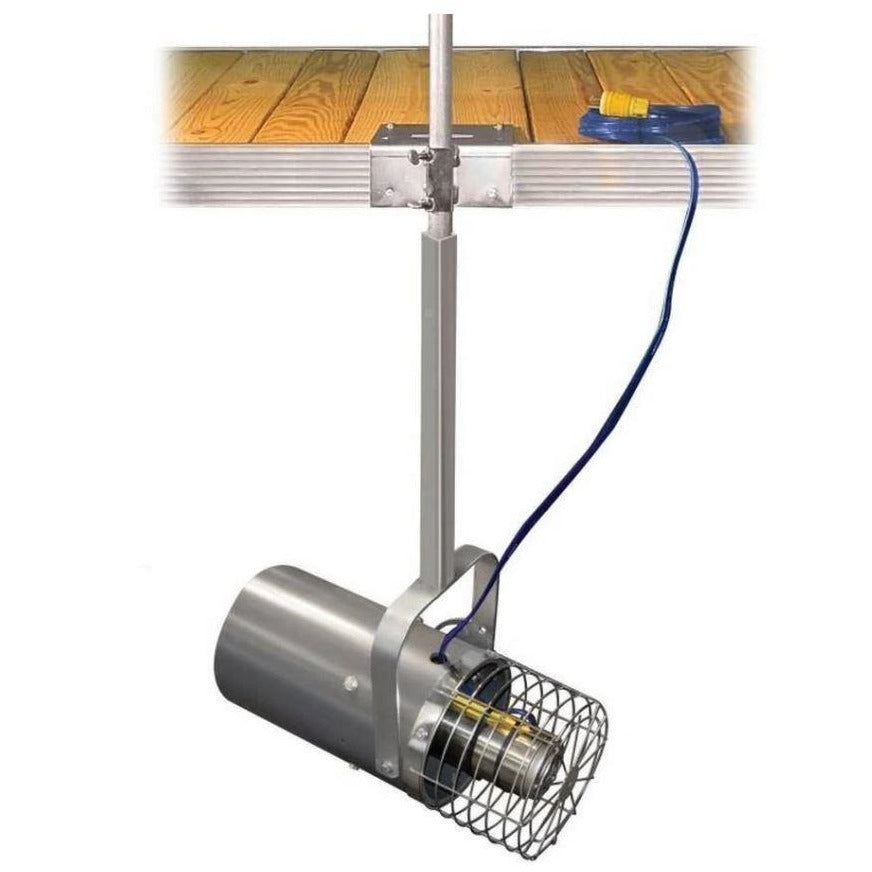
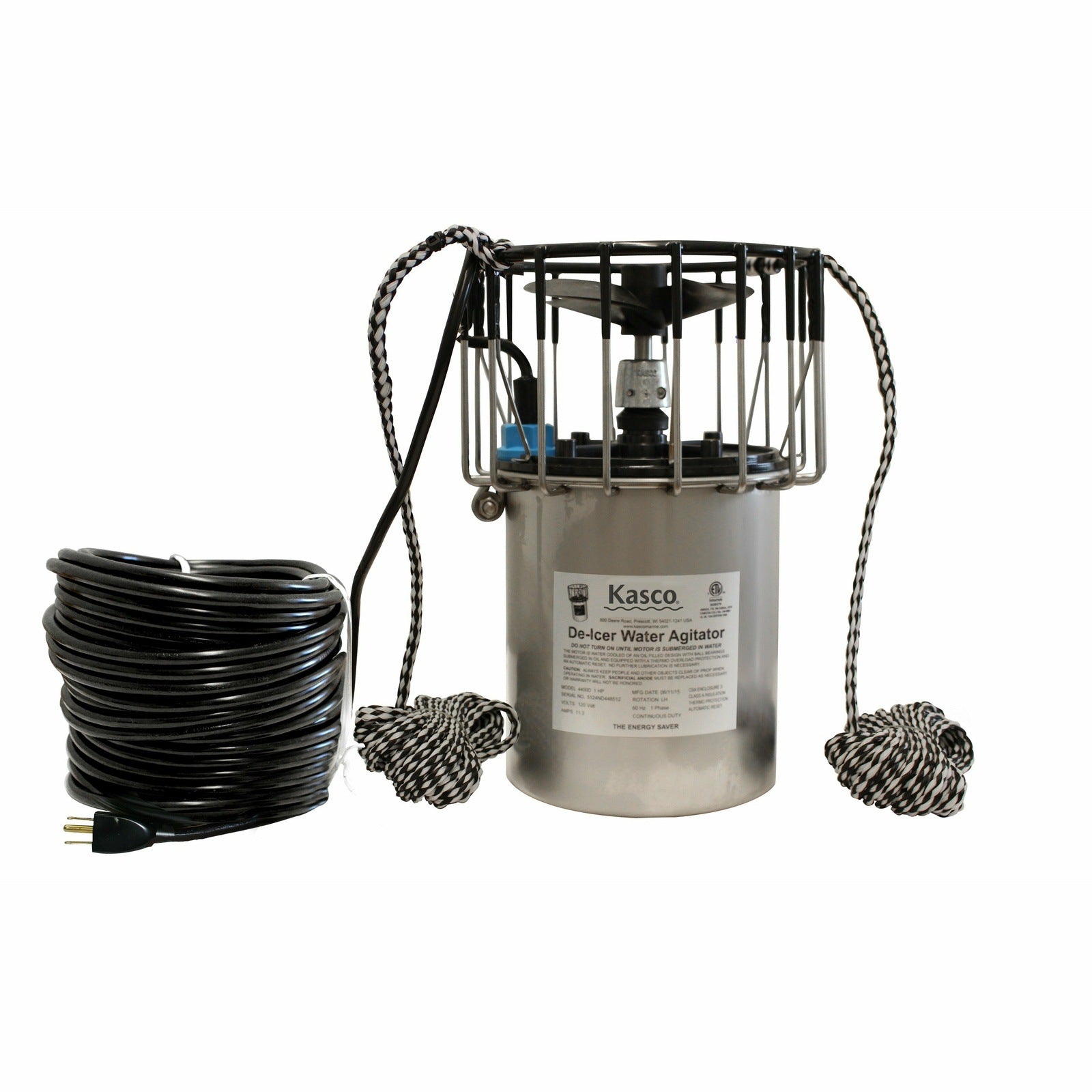
Yes. Aeration adds oxygen, improves water movement, and promotes beneficial bacteria that compete with algae for nutrients.
What Kills Algae Naturally?
Algae can be controlled naturally without relying on harsh chemicals. Some of the most effective eco-friendly solutions include:
- Barley straw – releases compounds that inhibit algae growth
- Beneficial bacteria – break down excess nutrients that algae feed on
- Aquatic plants like water lilies – block sunlight and absorb nutrients
These natural methods work by reducing the key elements algae need to thrive: sunlight and excess nutrients.
Can an algae eater live with a betta fish?
An algae eater can live with a betta fish in a shared aquarium when both species have compatible environmental needs. Compatibility depends on tank size, temperament, and available hiding spaces, since bettas can become territorial and stress smaller or slower fish. Some algae eaters may also compete for food or accidentally nip fins if conditions are poor. Careful selection of non-aggressive species and stable water quality is essential for coexistence. Continuous observation is necessary because individual fish behavior can vary even within the same species. Overcrowding or inadequate filtration should always be avoided to reduce stress and conflict in the tank environment.
What is the best algae eater for a fish tank?
The best algae eater for a fish tank depends on tank size, water conditions, and algae type present. Common options include otocinclus catfish, bristlenose plecos, and certain snail species that consume soft algae growth. Each species has different feeding efficiency and environmental requirements, so no single fish is universally best. Small tanks typically benefit from otocinclus, while larger tanks can support plecos that handle heavier algae loads. Proper nutrition must still be provided because algae alone is not sufficient for long-term survival. Overstocking algae eaters should be avoided to prevent oxygen depletion and waste buildup.
what animals eat algae?
Many animals eat algae as part of their natural diet, including fish, snails, shrimp, turtles, insects, and certain aquatic mammals. Different species consume different types of algae, ranging from microscopic algae suspended in water to larger mats attached to rocks, plants, or pond surfaces. Common algae-eating fish include grass carp, plecos, and some minnows, while snails and freshwater shrimp often graze on algae growing on hard surfaces. Their feeding activity can help reduce algae accumulation, but no animal can completely eliminate algae in a nutrient-rich environment. Algae control is most effective when grazing animals are combined with proper water quality management, balanced nutrient levels, and adequate aeration.
Conclusion
When it comes to algae control in your pond, having the right fish species can make a significant difference. The fish mentioned in this guide are excellent choices for maintaining a healthy pond ecosystem and keeping algae growth in check. However, it's crucial to consider the specific requirements and compatibility of each fish species with your pond's environment.
Remember, introducing non-native species can have adverse effects on the local ecosystem, so always check local regulations and make responsible choices. With the help of these algae-eating fish, you can enjoy a beautiful and vibrant pond free from excessive algae growth.


2 comments
Bill Harvill
Where can I buy these triploid grass crop?
I live in Waxahachie, Texas and my pond is 15 acres. 214-908-0366.
Daryl
Where do you buy these algae type of eaters for ponds?