

Duck ponds are more than just decorative water features—they’re living ecosystems full of movement, life, and natural beauty. Whether you’re building a backyard duck pond, a wildlife habitat, or a functional water feature, this guide will help you design, build, and maintain the perfect pond.
If you want a deeper overview, check out this Complete Guide to Duck Ponds.
What Is a Duck Pond?
A duck pond is a small to medium-sized water body designed for ducks to swim, feed, and rest. It also supports plants, insects, fish, and other wildlife, making it a complete mini-ecosystem.
When built correctly, duck ponds can become long-term habitats or seasonal stopovers for wildlife, while also providing a peaceful outdoor space.
Why Have a Duck Pond?
- Supports Wildlife: Attracts ducks, frogs, fish, and beneficial insects
- Enhances Beauty: Adds a calm, natural look to your backyard
- Relaxing: Watching ducks and water movement reduces stress
- Educational: Great way to introduce kids to nature and ecosystems
How Duck Ponds Help Nature
Duck ponds play an important environmental role:
- Provide habitats for aquatic and semi-aquatic species
- Help filter water naturally by trapping sediment and pollutants
- Support biodiversity and plant growth
How to Build a Duck Pond
1. Pick the Right Spot
- Choose a location with both sun and shade
- Avoid noisy or high-traffic areas
- Plan for proper drainage and overflow
2. Dig the Pond
- Include depths of 2–4 feet for swimming
- Add shallow edges for easy entry and foraging
- Create a gentle slope for safety
3. Line the Pond
- Use a durable liner to retain water
- Account for seasonal water level changes
4. Add Water & Habitat
- Fill with clean water
- Add rocks, aquatic plants, and resting areas
- Maintain water levels regularly
Must-Have Features
| Feature | Why It Matters |
|---|---|
| Shallow edges | Easy access for ducks |
| Shelters | Protection from predators |
| Water movement | Keeps water fresh and oxygenated |
| Plants | Improve water quality & habitat |
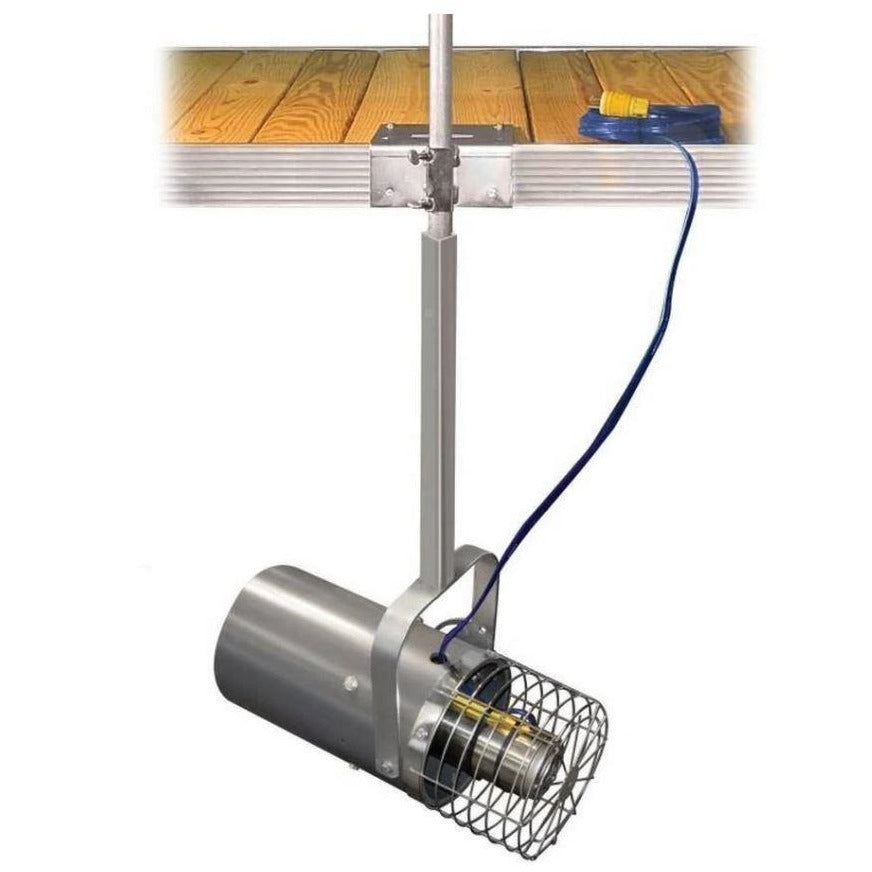
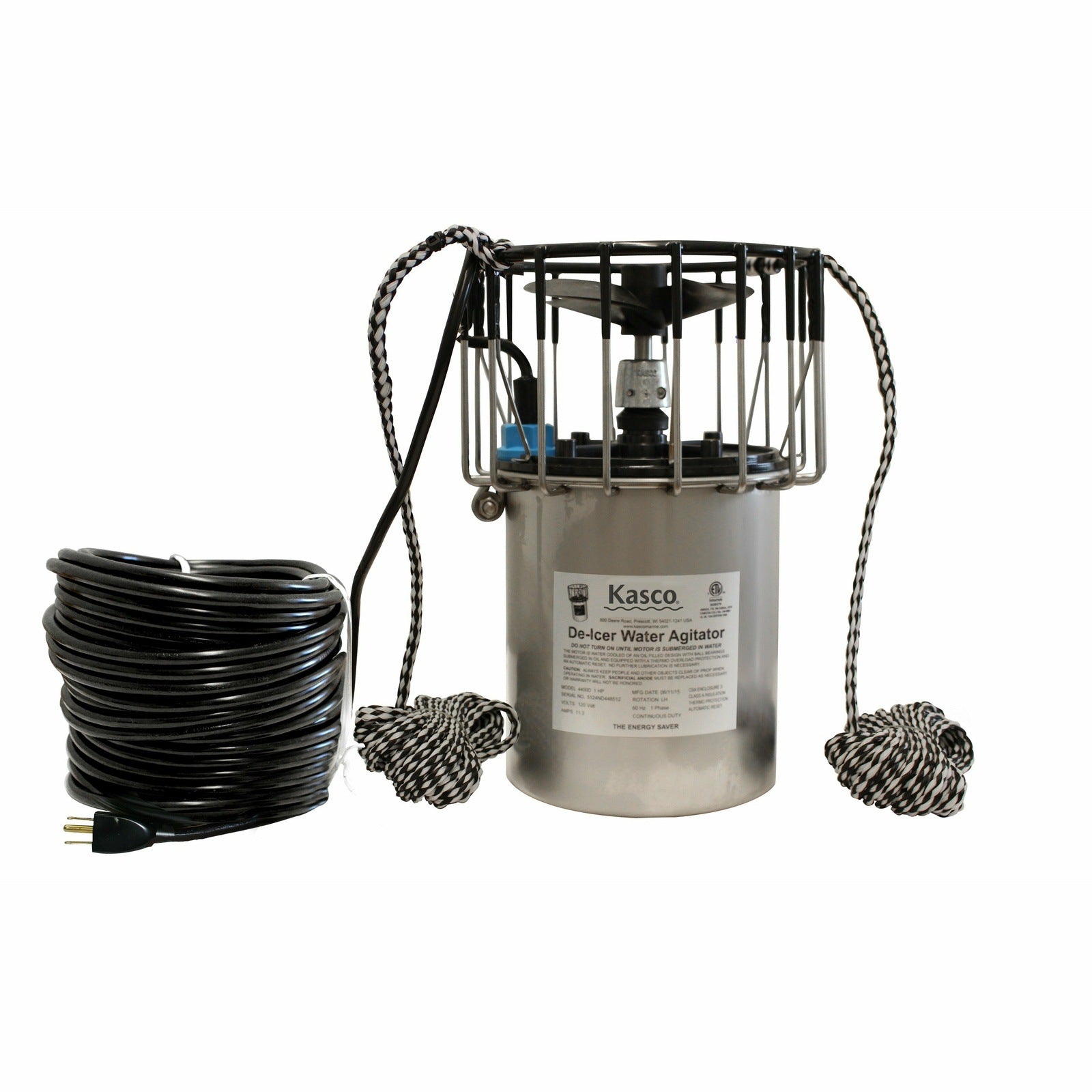
Water movement is especially important. Aeration improves oxygen levels, which supports fish, plants, and beneficial bacteria while reducing algae growth
You can explore pond aeration
DIY Duck Pond Guide
Creating a DIY duck pond is a practical and enjoyable project that gives your ducks a clean, safe place to swim and play. With a little effort, you can build something functional without spending too much.
Choosing the Right Spot
- Pick an area with partial sunlight and shade
- Avoid low spots where water may collect excessively
- Ensure the ground is level and well-drained
Materials You Can Use
- Pond liner or preformed plastic pond
- Old bathtub or kiddie pool (budget-friendly option)
- Gravel or sand for the base
- Small pump or filter (optional but helpful)
Basic Setup Steps
- Dig a shallow hole or place your container
- Line the pond (if needed)
- Create sloped edges for easy duck access
- Add clean water
- Place stones or bricks around edges for stability
Maintenance Tips
- Change water regularly (ducks get messy quickly)
- Use a simple drain system if possible
- Remove leftover food and waste daily
- Add fresh water to keep it clean and odor-free
Extra Improvements
- Add plants around the pond for shade
- Use gravel to reduce mud
- Install a small pump for water circulation
Quick Overview
| Feature | Recommendation |
|---|---|
| Depth | 1–2 feet |
| Water Type | Fresh, frequently changed |
| Best Location | Partial sun & shade |
| Entry/Exit | Gentle slope |
| Cleaning | 2–3 times per week |
Budget-Friendly Tips
- Plan pond size based on number of ducks
- Use natural rocks and logs for borders
- Build DIY platforms using wood or foam
- Invest in a good liner (major cost component)
Keeping Your Duck Pond Healthy
Weekly Tasks
- Remove debris (leaves, sticks, waste)
- Check filters and equipment
- Add fresh water regularly
Fresh water and oxygen are critical—moving water prevents stagnation and supports beneficial bacteria that break down waste
Preventing Problems
- Add aquatic plants to compete with algae
- Use aerators to improve water quality
- Avoid overfeeding ducks
👉 Learn more: https://www.protopond.com/blogs/news/pros-and-cons-of-lily-pads-in-your-pond
Seasonal Care
- Spring: Clean debris and prepare plants
- Summer: Monitor algae and water levels
- Winter: Keep part of the pond unfrozen
Ducks and Their Habitat
Common Duck Breeds
- Mallards – adaptable and common
- Pekins – popular domestic ducks
- Muscovy – large and unique
- Khaki Campbell, Saxony, Swedish – great backyard options
What to Feed Ducks
- Cracked corn, grains, and pellets
- Natural pond food like plants and insects
⚠️ Avoid feeding bread—it’s unhealthy for ducks
How to Make a Safe Pond
- Install fencing to deter predators
- Add plants or shelters for hiding
- Keep water clean and balanced
Attracting Ducks
- Maintain clean, calm water
- Add natural food sources
- Provide safe nesting areas
Best Plants for Duck Ponds
A diverse plant ecosystem attracts more wildlife and stabilizes the pond.
Good Plants to Use
- Duckweed – favorite duck food
- Arrowhead (Duck Potato) – nutritious tubers
- Rushes – shelter and nesting
- Wigeon Grass – food and cover
- Water Lilies – shade and beauty
👉 Related: https://www.protopond.com/blogs/news/pros-and-cons-of-lily-pads-in-your-pond
Why Plants Matter
- Naturally filter water
- Provide food and shelter
- Support insects and biodiversity
Dealing with Duckweed and Other Issues
Too Much Duckweed?
- Remove excess with a skimmer
- Maintain balance with fish or aeration
👉 See: https://www.protopond.com/blogs/news/fish-that-eat-algae-in-ponds
Do Ducks and Fish Get Along?
Yes, ducks and fish like koi or goldfish can coexist—as long as the pond is large enough.
How Duck Ponds Help the Environment
- Store rainwater and reduce flooding
- Improve water filtration
- Create natural wetland habitats
Challenges of Duck Ponds
Keeping Water Clean
Ducks produce a lot of waste, so regular cleaning and aeration are essential.
Dealing with Predators
Raccoons, foxes, and snakes can be a threat—use fencing and shelter.
Legal Considerations
Always check local regulations before building a pond.
Conclusion
Duck ponds are rewarding, beautiful, and environmentally beneficial. With proper planning, good water management, and the right mix of plants and features, you can create a thriving ecosystem right in your backyard.
Keep the water clean, support natural balance, and let your ducks enjoy their habitat!
Best Plants for Duck Ponds
Some of the best plants for duck ponds include:
-
Duckweed – A favorite duck snack
-
Water lilies – Provide shade and beauty
-
Cattails – Offer shelter and nesting spots
-
Reeds – Great for cover and water filtering
-
Pondweed – Adds natural food and oxygen
FAQs
What is a duck pond?
A duck pond is a shallow water feature designed for ducks to swim, feed, and rest while supporting other wildlife.
How deep should a duck pond be?
A mix of shallow edges and deeper areas (2–4 feet) works best.
Do I need aeration?
Yes—oxygen is essential for water quality and aquatic life, and aeration helps prevent algae and stagnation
How do I keep it clean?
Remove debris weekly, add fresh water, and use aeration and plants.
What plants are best?
Duckweed, water lilies, rushes, and arrowhead are excellent choices


1 comment
Jude
I want this venture to be a simple task. What filter is best for cleaning the po and keeping
G it thst way